



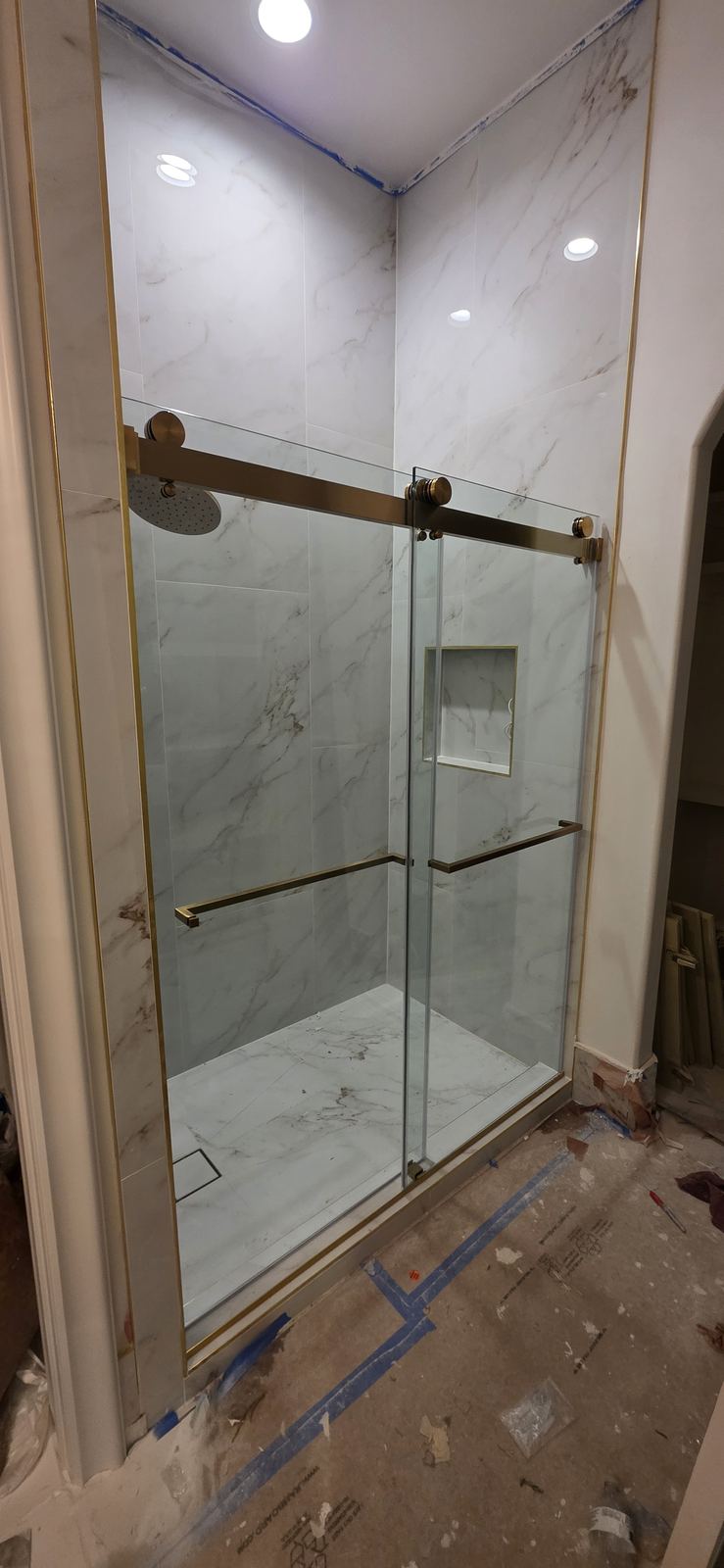

Glass can completely change how a home looks and feels: a frameless shower that shows off your tile, a glass railing that opens up a staircase, or a big sliding door that brings in light. But there are many kinds of glass and systems, and the right choice depends on where it goes. Here is a simple guide from Fixora, with information on architectural glass from Union Glass Solutions, a glass and glazing company in Plano.
Part 1: The types of glass
Tempered glass (safety glass)
Tempered glass is heat-treated, which makes it much stronger than regular glass. If it ever breaks, it shatters into small, rounded pieces instead of sharp shards. Building codes require safety glass in “hazardous” places like shower enclosures, doors and glass next to doors. Best for: shower doors and enclosures, most interior glass, table tops.
Laminated glass
Laminated glass is two layers of glass bonded with a plastic interlayer. If it breaks, the pieces stay stuck to the interlayer and the panel stays in place. It also blocks most UV rays and reduces noise. Best for: railings and balconies, skylights, storefronts, and windows where security or noise matters.
Low-iron (ultra-clear) glass
Regular clear glass has a slight green tint, which you can see on the edges and on thick panels. Low-iron glass removes most of that tint, so it looks crystal clear and shows true colors. Best for: frameless showers with white or light tile, display cases and high-end projects.
Frosted, textured and tinted glass
Frosted (acid-etched or sandblasted) and textured glass let light in but add privacy. Tinted glass (gray or bronze) adds a modern look. Best for: toilet rooms, bathroom windows, office partitions and doors.
Insulated and Low-E glass (windows and doors)
Insulated glass units have two panes with a sealed space between them. A Low-E coating reflects heat. Together they keep heat out in the Texas summer, keep warmth in during winter, and help lower energy bills. Best for: windows, patio doors and any exterior glass.
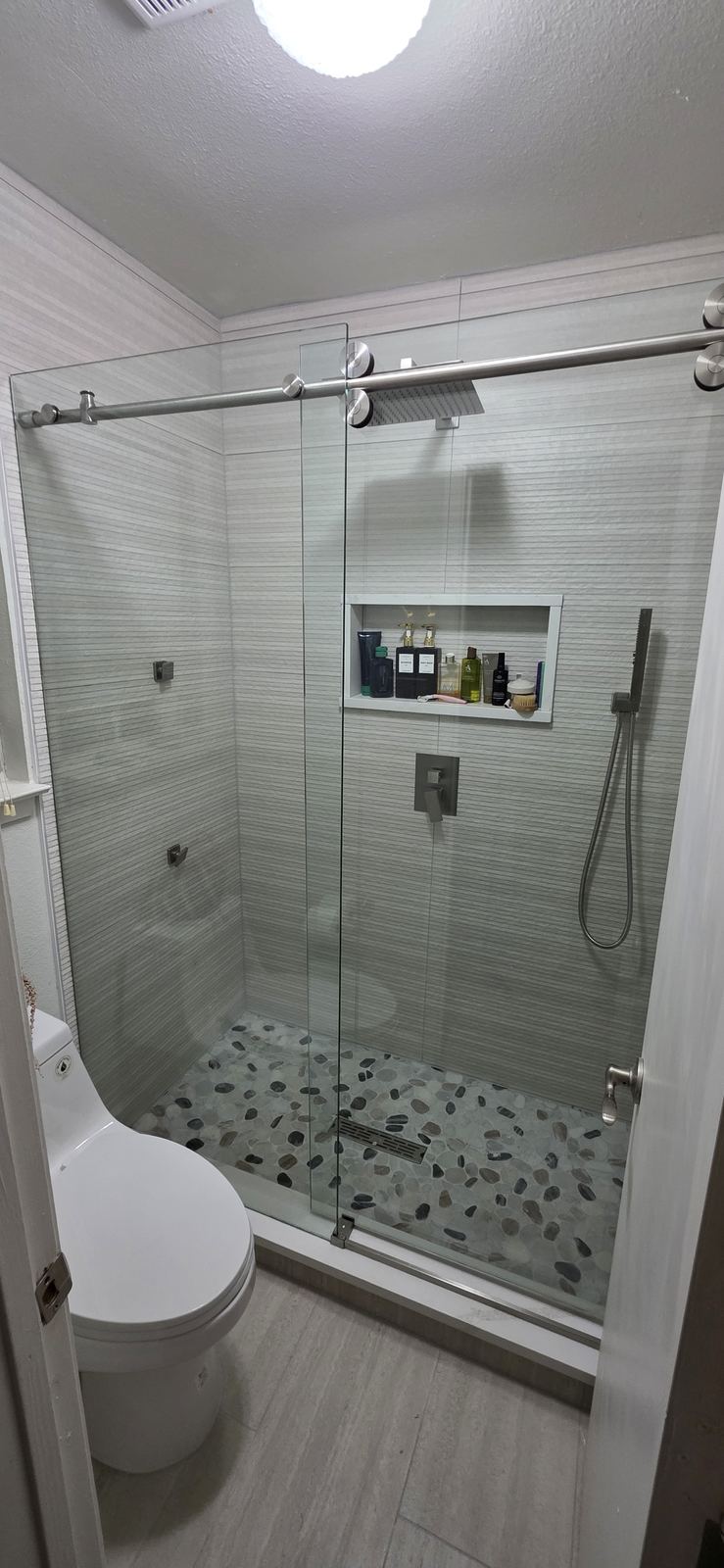
Part 2: Shower glass, which is better?
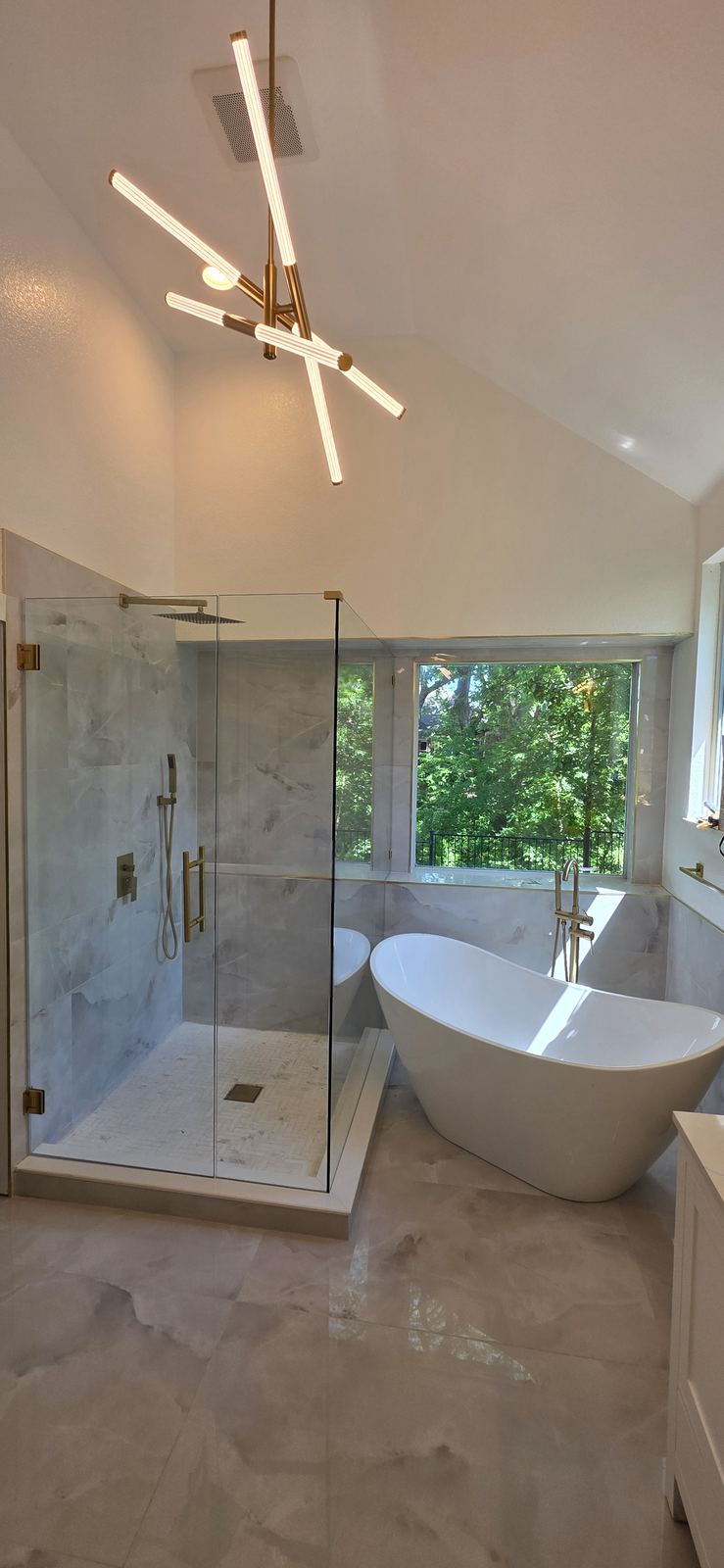
Frameless
Thick tempered glass (usually 3/8″ or 1/2″) with only hinges, clips and a handle. Modern, open, and easy to clean because there are no metal tracks. It needs precise measuring and installation.
Semi-frameless
Thinner glass with metal framing around part of the enclosure, often a sliding door. A good balance of clean looks and budget.
Framed
Thinner glass held by a full metal frame. The most budget-friendly and very common for tub/shower combos, but the tracks and frame need more cleaning.
Our pick: for a walk-in shower in a remodeled bathroom, frameless glass gives the best look and is the easiest to live with. For a tub/shower combo or a tight budget, a semi-frameless slider is a smart choice. Add a protective coating to the glass to reduce water spots.
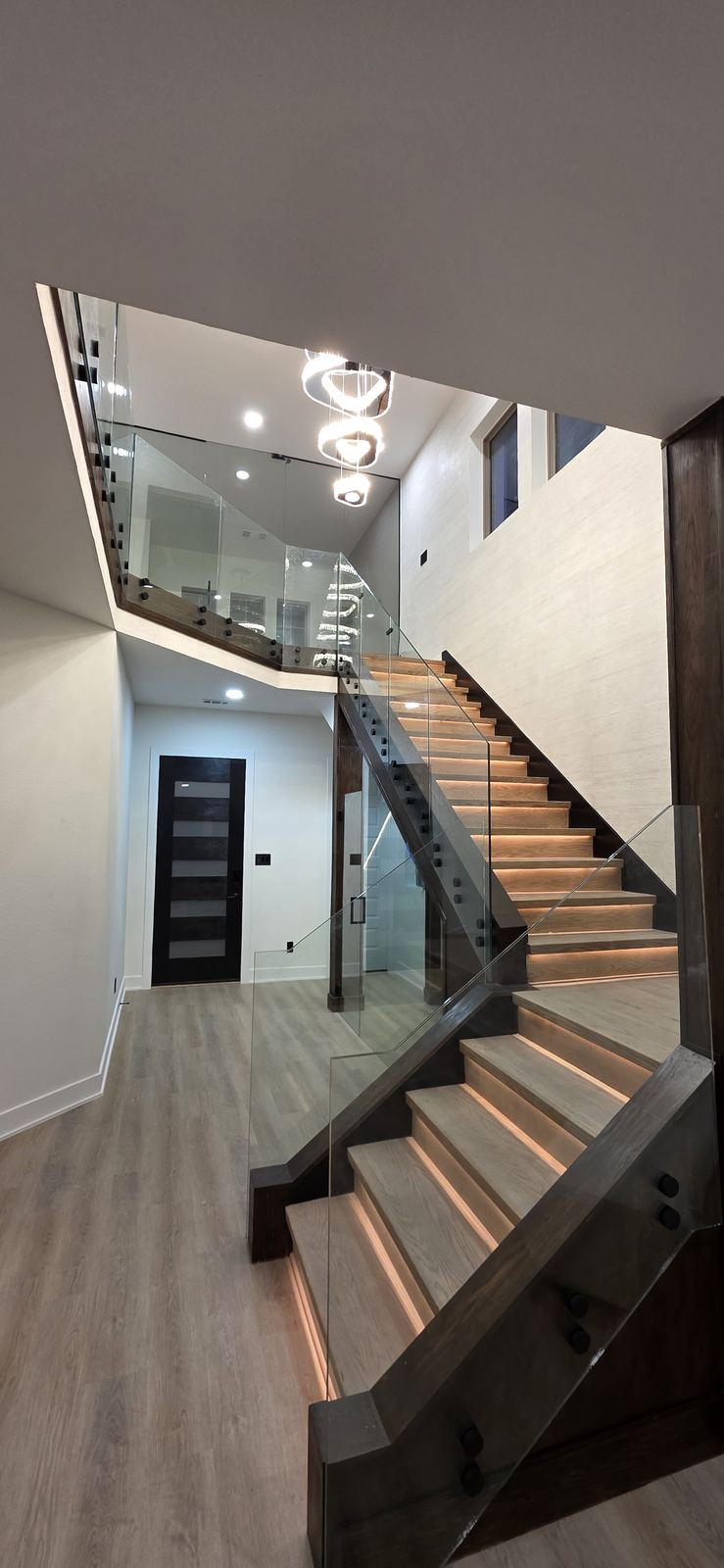
Part 3: Glass railings, which system is better?
- Base shoe (fully frameless): the glass sits in a metal channel at the bottom. The cleanest, most modern look with no posts.
- Standoff (pin) mounted: round metal fittings hold the glass to the side of the stairs or floor. A striking, architectural look.
- Post and clamp: glass panels held between metal posts. Usually the most affordable and easiest to install on existing stairs.
Our pick: for a modern home, a base shoe or standoff railing with laminated tempered glass is the most beautiful and safe option. Post and clamp is great for budget projects. Railings must meet building code for height and strength, so always use a professional.
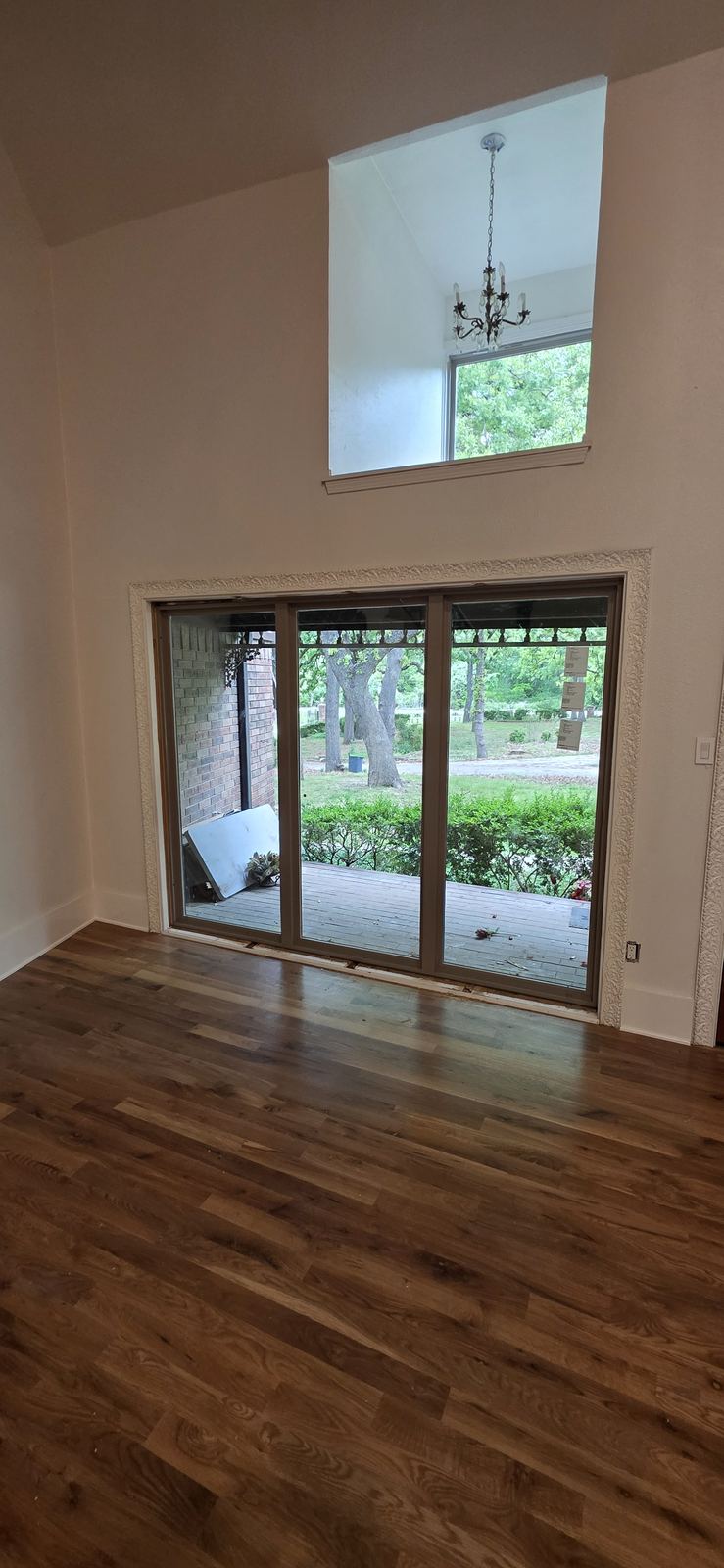
Part 4: Patio doors, sliding or bi-fold?
Sliding doors are reliable, energy-efficient and take no floor space when open. Bi-fold and large multi-panel sliding systems open almost the whole wall and are perfect for indoor/outdoor living. Whichever you choose, use insulated Low-E glass for the Texas heat.
Part 5: Glass for offices and interiors
Glass office walls and partitions let light travel through the space and make rooms feel bigger. Frosted film or frosted glass can add privacy where you need it. Tempered glass is the standard for interior partitions.
Quick answers: which glass is best?
- Shower: frameless tempered glass, low-iron if you have light tile
- Stair or balcony railing: laminated tempered glass in a base shoe or standoff system
- Windows and patio doors: insulated glass with Low-E coating
- Privacy: frosted or textured glass
- Offices: tempered glass partitions with frosted areas for privacy
Larger or commercial glass projects
For architectural projects like storefronts, curtain walls, large sliding and bi-fold systems, or commercial glazing, Union Glass Solutions in Plano provides fabrication, supply and professional installation across DFW.
Planning a project in Plano or the DFW area? Call or text Fixora at (469) 931-6960 or request a free in-home estimate. You’ll talk directly with Perry or Ali, and you can see more of our real projects on our Our Work page.
Leave a Reply