




Walls are the biggest surface in your home. A clean drywall repair, the right texture and a good paint job can make a whole house look new, while a bad patch or the wrong paint shows every time the light hits it. Here is a simple guide to sheetrock (drywall), wall texture and paint from Fixora.
Part 1: Sheetrock (drywall) basics
Types of drywall and where to use them
- Standard drywall: for most walls and ceilings in bedrooms, living rooms and hallways.
- Moisture-resistant drywall: for bathrooms, laundry rooms and kitchens. It handles humidity better than standard board.
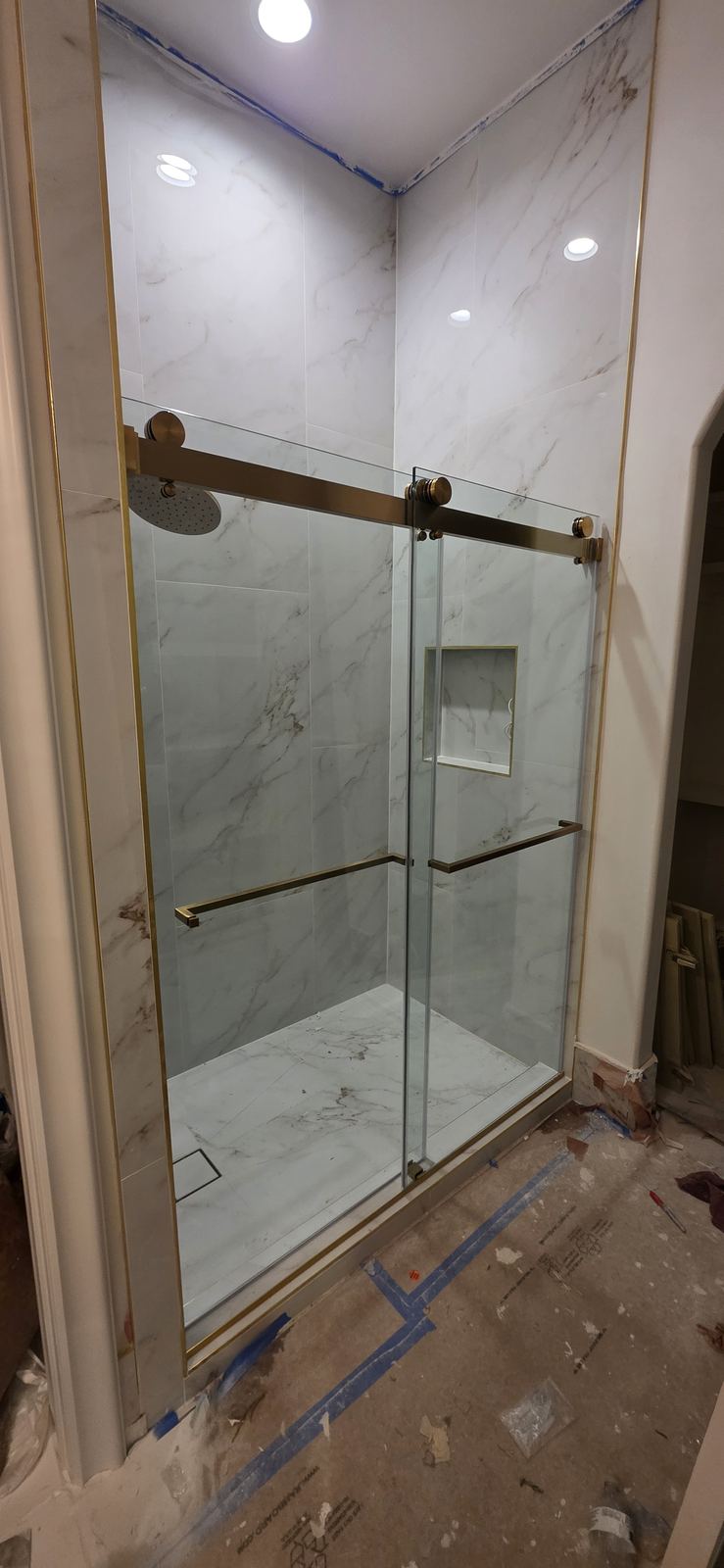
- Cement board: the right backing behind tile in showers and tub surrounds. Drywall should not be used as a tile backer inside a wet shower.
- Fire-rated (Type X) drywall: often required on garage walls and ceilings that are shared with the house.
Common drywall problems we fix
- Holes and dents: from door handles, furniture or old TV mounts.
- Nail or screw pops: small round bumps when fasteners push out over time.
- Cracks: usually at the corners of doors and windows, often from normal house movement.
- Water damage: stains, soft or bubbling drywall from roof, plumbing or AC leaks.
- Tape lifting at the seams: often caused by moisture or poor taping.
Important: if drywall is water-damaged, always fix the source of the leak first. Wet drywall that stays wet can grow mold behind the wall. Damaged sections should be cut out and replaced, not just painted over.
Patch or replace?
Small holes and cracks can be patched. Larger damage, water-soaked or sagging drywall, or areas with mold should be cut out and replaced with new board, taped, and finished. A good repair is invisible once texture and paint are matched.
Part 2: Wall and ceiling texture
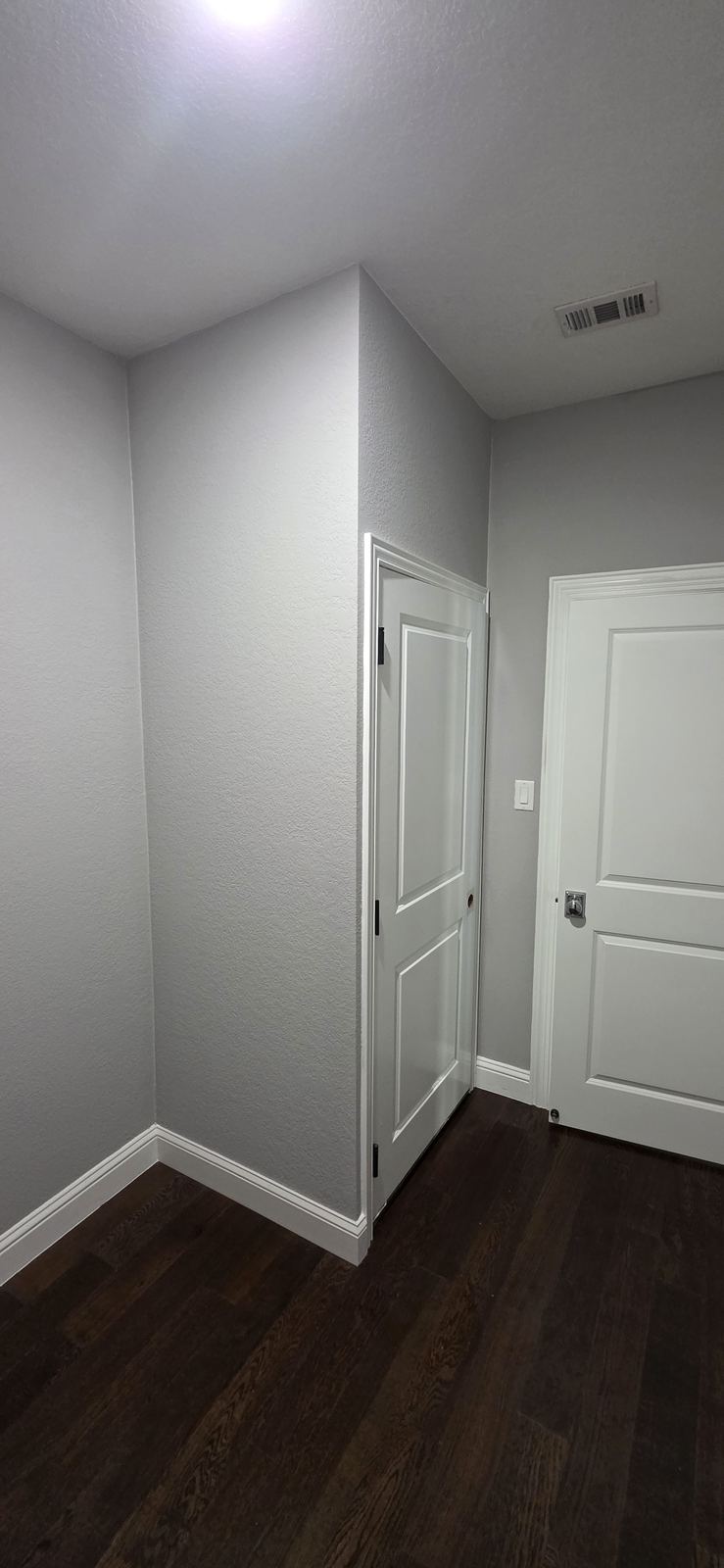
Most homes in Texas have textured walls. Texture hides small imperfections and gives the wall character. When you repair drywall, matching the existing texture is the key to a repair you cannot see.
Orange peel
A fine, bumpy finish that looks like the skin of an orange. It is the most common wall texture in DFW homes. It is subtle, easy to clean and hides small flaws. Best for: most walls in the house.
Knockdown
Texture is sprayed on, then lightly flattened with a trowel, creating a flat, stucco-like pattern. It hides more imperfections and adds a warm, Texas-style look. Best for: walls and ceilings in living areas.
Smooth (Level 5 finish)
No texture at all. The whole wall gets a thin coat of mud so it is perfectly flat. It looks modern and high-end, but it shows every flaw, so it takes more skill and time. Best for: modern homes and feature walls.
Skip trowel
A hand-applied texture with a more handmade, rustic look. Best for: Spanish, Mediterranean or rustic style homes.
Popcorn ceilings
Common in older homes. Today most homeowners remove popcorn and replace it with a smooth or light knockdown ceiling for a more modern look. Note: popcorn ceilings in older homes (especially before the 1980s) can contain asbestos, so the material should be tested before removal.
Which texture is better? For most homes, orange peel on walls is the most practical choice: it looks clean, hides small marks and is easy to touch up. If you want a modern, high-end look and are willing to invest more, go with a smooth finish. For ceilings, light knockdown or smooth are the most popular choices after removing popcorn.
Part 3: Paint, which finish is better?
Flat / matte
No shine, hides wall imperfections best, but is harder to clean. Best for: ceilings and low-traffic rooms like formal living rooms and adult bedrooms.
Eggshell
A soft, low sheen. Hides flaws well and is much easier to wipe clean than flat. Best for: most walls: living rooms, bedrooms, hallways.
Satin
A little more shine and more durable. Handles moisture and scrubbing better. Best for: kitchens, bathrooms, kids’ rooms and high-traffic hallways.
Semi-gloss
Shiny, very durable and the easiest to clean. Best for: trim, baseboards, doors, cabinets and bathrooms.
Gloss
The shiniest and hardest finish. Best for: doors, cabinets or accents where you want a bold, shiny look.
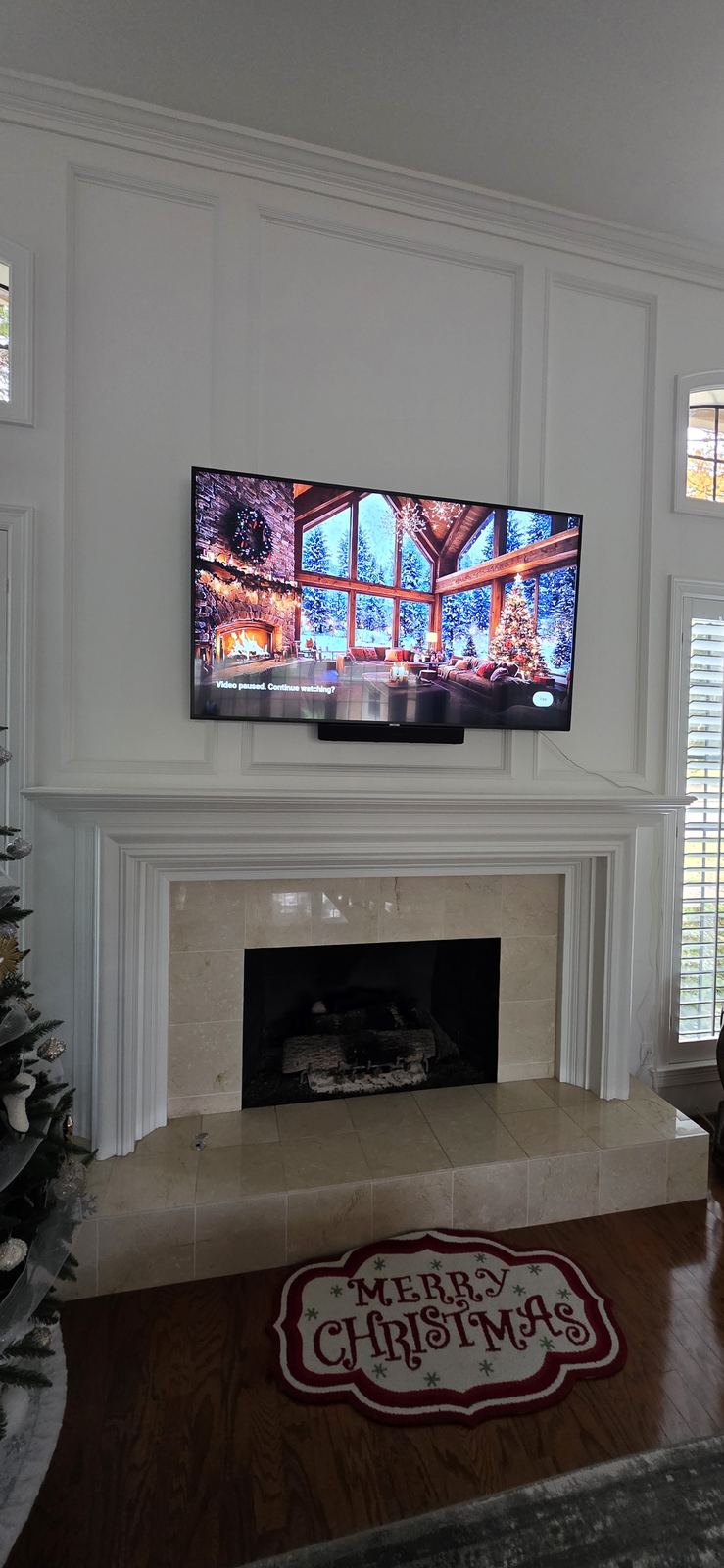
Our pick: eggshell on most walls, satin in kitchens and bathrooms, semi-gloss on trim and doors, and flat on ceilings. This combination looks great and holds up to daily life.
Tips for a professional result
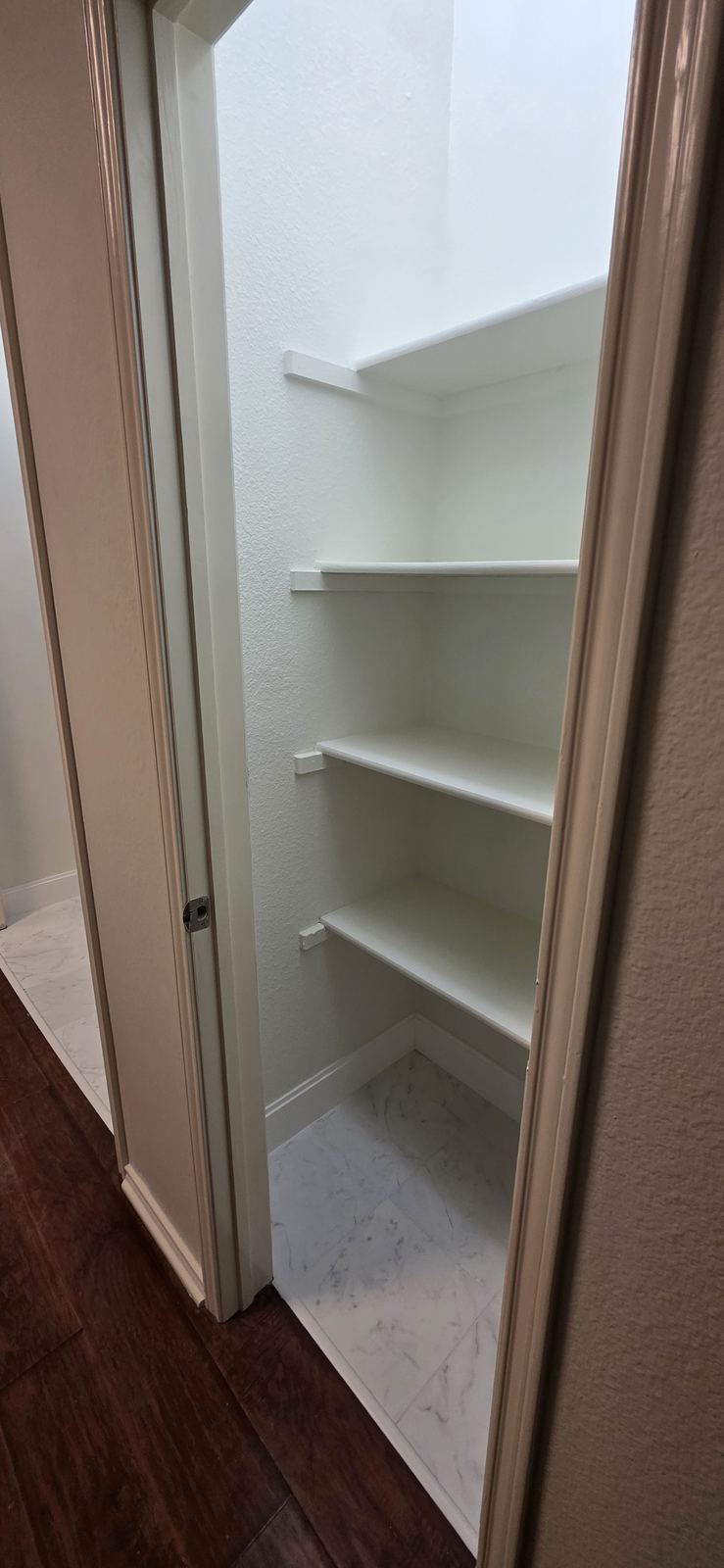
- Prep is everything: fill holes, sand smooth and clean the walls before painting.
- Prime repairs: new drywall mud absorbs paint differently. Priming patches prevents shiny or dull spots (“flashing”).
- Match the texture before painting: a smooth patch on an orange peel wall will always show.
- Test paint colors on the wall: colors look different in morning and evening light.
- Use quality paint: it covers better, lasts longer and is easier to clean.
- Keep leftover paint: label it with the room name for future touch-ups.
- Older homes: homes built before 1978 may have lead paint, so sanding old paint needs special care.
Quick answers
- Small hole: patch, match texture, prime and paint
- Water-damaged drywall: fix the leak, cut out and replace the damaged area
- Bathroom walls: moisture-resistant drywall with satin or semi-gloss paint
- Behind shower tile: cement board, not drywall
- Most popular texture in DFW: orange peel on walls, knockdown or smooth on ceilings
- Best everyday wall finish: eggshell
Need drywall repair, texture or painting in Plano or the DFW area? Call or text Fixora at (469) 931-6960 or request a free in-home estimate. You’ll talk directly with Perry or Ali, and you can see more of our real projects on our Our Work page.
Leave a Reply